
Kitchen Remodeling: Key Factors to Consider Before You Start
Layout, storage, lighting, ventilation and materials — the practical decisions that shape a kitchen long before the finishes.
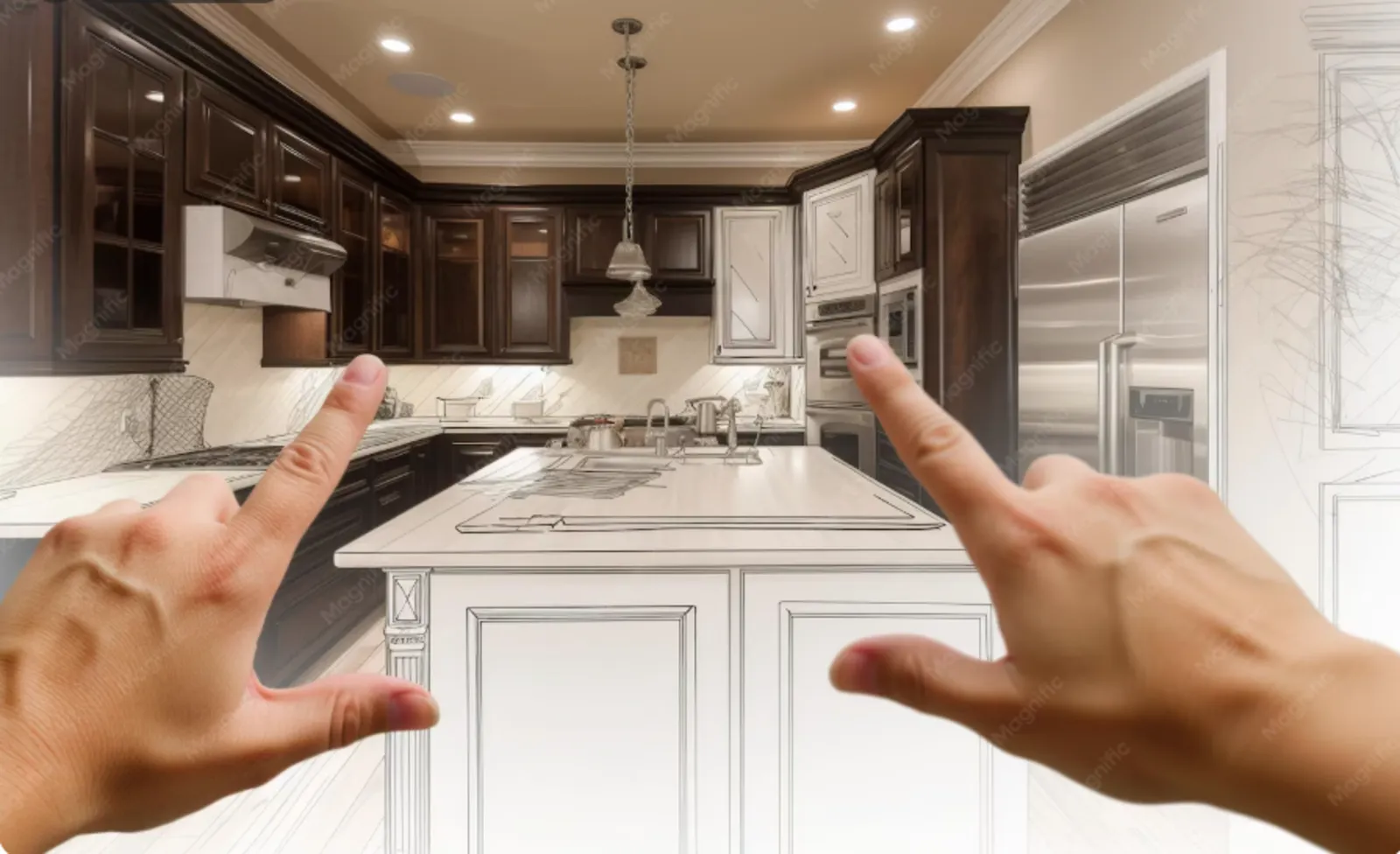
A kitchen can look beautiful and still be frustrating to use.
Cabinet colors and countertops receive plenty of attention during remodeling, but successful kitchens depend just as much on circulation, storage, lighting, and how people move between work areas.
Before demolition begins, homeowners should think about the practical decisions that will influence the room every day.
Begin With How You Actually Use the Kitchen
Every household uses a kitchen differently.
One person may cook most meals alone, while another household regularly has several people preparing food together. Some kitchens double as homework stations, dining areas, or gathering spaces when guests visit.
Write down what works in the current kitchen and what consistently causes frustration.
Those observations should guide the design.
Decide Whether the Layout Needs to Change
Keeping the same layout can control costs because major plumbing and electrical locations may remain in place.
However, preserving a layout that does not function well may defeat the purpose of remodeling.
Consider the relationship between the sink, refrigerator, cooking area, storage, and main walkways. Appliances should be accessible without creating unnecessary conflicts with people passing through the room.
Give the Island a Purpose
Kitchen islands are popular, but bigger is not automatically better.
An island can provide preparation space, seating, storage, or a location for appliances. Trying to make one island perform every possible function can overwhelm the room.
Maintain comfortable circulation around it and make sure doors, drawers, and appliances can open without creating obstacles.
Plan Storage Around Specific Items
"More cabinets" is not a complete storage strategy.
Think about where everyday dishes, pots, pans, food, small appliances, recycling, cleaning supplies, and serving pieces will go.
Deep drawers can simplify access to cookware, while tall pantry cabinets can provide more useful food storage than several smaller cupboards.
Good organization begins before the cabinets are ordered.
Use Several Types of Lighting
A kitchen needs light for different purposes.
General ceiling lighting helps illuminate the entire room. Task lighting makes food preparation safer and easier. Pendant or decorative fixtures may help define an island or dining area.
Planning these layers before electrical work begins is easier than trying to add them after new surfaces are finished.
Think Carefully About Countertop Materials
Countertops handle daily spills, hot items, food preparation, and cleaning.
Appearance matters, but maintenance requirements matter too. Some homeowners prefer a surface that develops character over time, while others want something with minimal upkeep.
Compare durability and daily care before choosing based only on a small showroom sample.
Kitchen Remodeling Contractor Seattle
Do Not Overlook Ventilation
Cooking creates moisture, odors, heat, and airborne grease.
A properly planned ventilation system can help move those byproducts away from the kitchen rather than allowing them to spread throughout an open-plan home.
Ventilation requirements should be considered when appliance locations are determined rather than after cabinetry has already been ordered.
Consider Flooring as Part of the Whole Room
Kitchen floors need to handle traffic and frequent cleaning.
If the kitchen opens into nearby living areas, homeowners should also consider how flooring transitions will look.
Using continuous flooring may make spaces feel more connected, while a deliberate material change can help visually define the kitchen.
Decide Where the Budget Matters Most
Kitchen remodeling offers endless opportunities to upgrade.
Rather than purchasing premium versions of everything, determine which features matter most to your household. Serious cooks may prioritize appliances, while another homeowner may value cabinetry and storage more.
Homeowners beginning the planning process can explore JVB Contractors LLC's kitchen remodeling services when considering the relationship between layout, materials, and construction.
Finalize Key Selections Early
Cabinetry, appliances, plumbing fixtures, lighting, and specialty finishes may have different lead times.
Waiting until construction begins to make major selections can create unnecessary gaps in the schedule.
Early decisions also help make the project budget more accurate.
Conclusion
A successful kitchen remodel should make everyday life easier, not merely make the room newer.
Start with function and movement before selecting finishes. Think carefully about storage, lighting, ventilation, work surfaces, and the relationship between the kitchen and surrounding rooms.
When those practical details are resolved first, homeowners can make design choices with much more confidence. The finished kitchen is more likely to remain comfortable and useful long after current trends have changed.