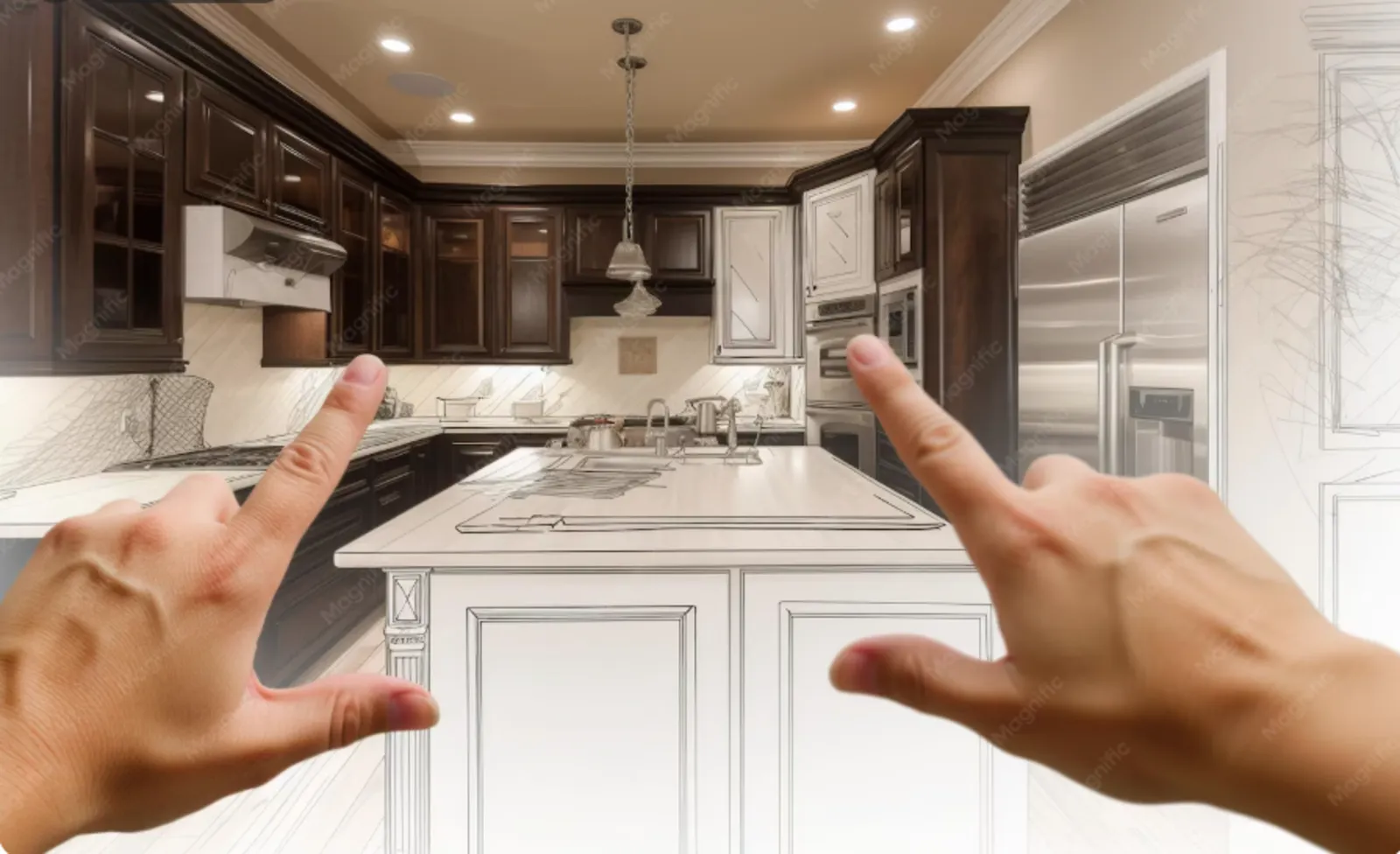
Common Home Renovation Mistakes and How to Avoid Them
Many renovation problems begin long before construction starts. Here are the most common mistakes — and how to plan around them.

Home renovation can improve comfort, create more usable space, and help an older property work better for modern life. It can also become stressful when decisions are made too quickly or important details are overlooked.
Many renovation problems begin long before construction starts. Understanding the most common mistakes can help homeowners develop a more realistic plan and avoid expensive corrections later.
Starting Without a Defined Scope
A vague idea such as "update the first floor" is not enough to guide a construction project.
Decide which areas are changing and what each change is expected to accomplish. Separate essential improvements from upgrades that would simply be nice to have.
A defined scope also gives contractors a more reliable basis for estimating costs.
Creating a Budget with No Flexibility
Existing homes can hide surprises behind walls, ceilings, and floors.
Water damage, outdated wiring, structural issues, or previous repairs may not become visible until demolition starts. Using every available dollar for planned finishes leaves little room to deal with these discoveries.
A reasonable contingency provides financial breathing room if unexpected work appears.
Choosing Finishes Before Solving the Layout
Countertops, tile, flooring, and paint are enjoyable to select, but they should not distract from basic functionality.
If a kitchen has poor traffic flow or a bathroom lacks useful storage, replacing finishes without addressing those problems may leave homeowners with a newer-looking space that remains frustrating to use.
Start with how the room should function. Choose finishes after the layout makes sense.
Changing Too Much During Construction
New ideas often appear once walls are open and rooms begin to change.
Some adjustments may be worthwhile, but frequent changes can affect several trades at once. Moving a doorway, for example, might change framing, electrical work, drywall, flooring, and trim.
Before approving a change, understand both its cost and its effect on the construction schedule.
Home addition services
Ignoring Material Lead Times
Not every product is sitting on a store shelf waiting for pickup.
Cabinetry, windows, specialty tile, fixtures, and custom components can require significant ordering time. Choosing these products too late may stop work even when the contractor is ready to continue.
Finalize important selections early and confirm availability before demolition begins whenever practical.
Forgetting How New Space Connects to the Old
A remodelled area should feel like part of the same home.
This is especially important when adding square footage. Rooflines, flooring transitions, windows, trim, ceiling heights, and circulation all affect whether a new room feels integrated or simply attached.
Homeowners considering additional living space can review professional home addition services while thinking about how new construction will connect with the existing house.
Copying Trends Without Considering Daily Life
A design may look impressive online but still be unsuitable for your household.
Open shelving can be attractive but requires more upkeep. A huge kitchen island may dominate a small room. Delicate surfaces may not be ideal for households with children, pets, or heavy daily use.
Choose features based on how you actually live rather than how a room looks in a carefully staged photograph.
Underestimating Storage
Removing upper cabinets or enlarging a shower can improve appearance, but those changes may reduce valuable storage.
Make a list of what needs to fit in the finished room. Kitchen appliances, pantry goods, linens, cleaning products, toiletries, and seasonal items all need realistic homes.
Good storage planning can make a modest room feel more useful without increasing its size.
Hiring Based Only on Price
The lowest quote is not automatically the best value.
Compare what each contractor includes and ask questions about anything unclear. One estimate may appear cheaper because important tasks or materials have been left out.
A detailed scope makes it easier to compare proposals fairly.
Conclusion
Successful renovations rely on planning more than improvisation. Defining the project, protecting part of the budget for surprises, making material decisions early, and considering how each change affects the whole home can prevent many common problems.
Homeowners do not need to predict every issue before construction begins. They do need a plan flexible enough to handle unexpected conditions without losing sight of the original goals.
Slowing down during the planning stage may feel frustrating when you are excited to start, but those early decisions often determine whether the renovation becomes a smooth improvement or an expensive series of corrections.